Igniter Convening
Fusion developers, New Mexico companies and the national labs met to discuss the supply chain the industry needs next. We will publish a summary shortly.
Every fusion machine needs the same hard-to-make parts, and many of those parts have no credible supplier. Fusion Igniter finds the gaps and builds the companies that fill them.
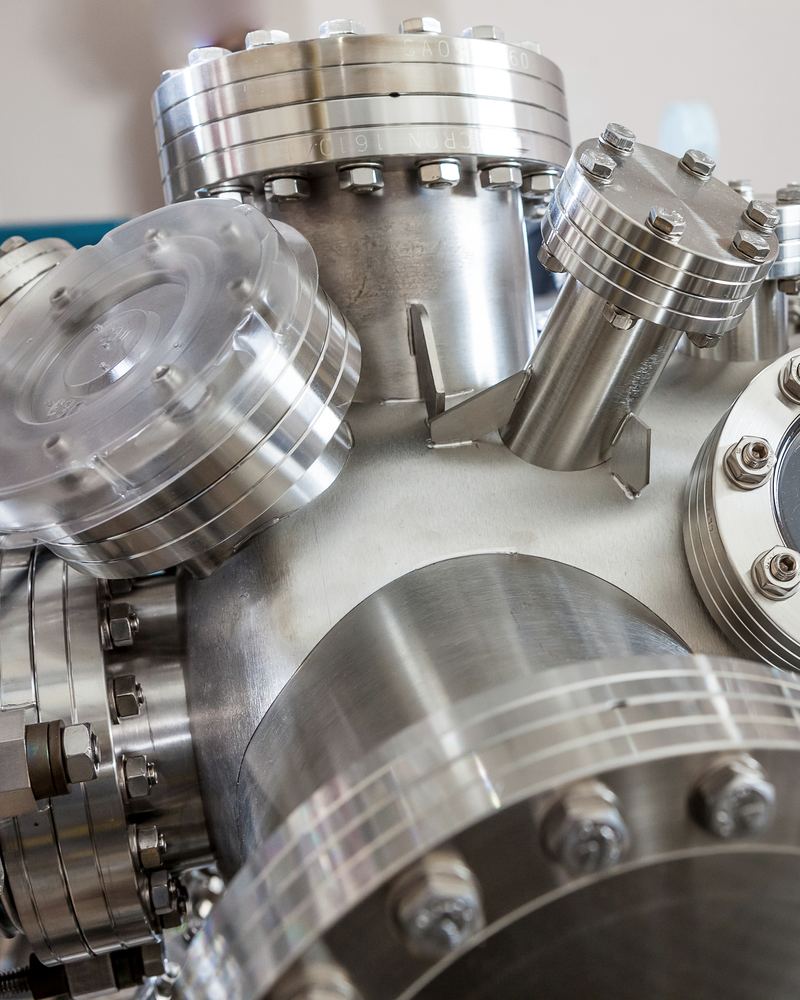
Private fusion companies have raised billions to build machines, but far less reaches the firms that make their parts: for every $8 invested in fusion last year, roughly $1 was spent with suppliers. Many parts come from a handful of suppliers, sometimes from only one, and some are not made at commercial scale anywhere.
The money stops short of the factory. Grants pay for research and venture capital pays for the developers, but few investors will pay for a plant that supplies customers who have yet to finish their first machine.
So we start from commercial realism. A company we build should earn money long before fusion plants arrive, by selling to defense, data centers, the national labs and heavy industry, and should treat fusion as the larger market it grows into.
A part that every design must buy and no credible firm sells.
The market, the technology route, and the first revenue that does not depend on fusion.
Usually from the labs, universities and industries we know best.
Studio capital, people and space to reach the first proof point.
A company that has no paying customer within 24 months gets no more studio money.
These are the areas we are working through now, in no particular order. For each, we test whether another market already pays for the product, whether a company could earn with little capital or behind a moat, and whether it could win its first customers while still in the studio.
| Area | Why it matters |
|---|---|
| Pulsed power and power electronics | Capacitors, switches and supplies that fire reliably, millions of times. |
| Testing and qualification | Testing and certifying parts so buyers and regulators can trust them. |
| Laser drivers and diode arrays | The pump light for laser fusion, at a cost that has to fall a hundredfold. |
| Instruments, sensors and diagnostics | Measurement that keeps working next to a burning plasma. |
| Plasma-facing materials | Tungsten parts that survive heat and neutrons, made in volume outside a few countries. |
| Heat extraction | Moving heat out of the machine and into something useful. |
| Fuel cycle and tritium handling | Breeding, handling and accounting for fuel safely. |
| Magnets and superconductors | The coils that confine the plasma, and the materials they are made from. |
| Plasma heating | Sources and components that bring the plasma to temperature. |
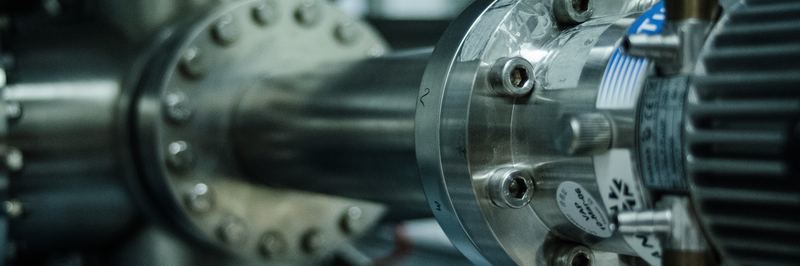
| Vacuum systems | Pumps, seals and chambers at a scale and purity few suppliers reach. |
| Digital engineering | Simulation and digital twins that shorten design and qualification. |
The list changes as our analysis does. We welcome founders and engineers working on any part of the fusion supply chain.
Each convening puts developers, suppliers, the national labs and investors in one room to work out where the gaps are.

Fusion developers, New Mexico companies and the national labs met to discuss the supply chain the industry needs next. We will publish a summary shortly.
Developers and software firms looked at how simulation and digital twins could speed up the design and qualification of fusion hardware. A summary is in preparation.
Our next convening, in Santa Fe straight after CERAWeek. To hear when registration opens, write to hello@fusionigniter.com.
The Igniter grew out of a New Mexico cohort of fusion supply-chain companies, built since 2022. Meet the cohort →
Physicist and investor. Chris read physics at Oxford, advised energy and infrastructure clients as a management consultant, and has sat on private equity and venture boards from software to supply-chain platforms. He co-founded Pine Island New Energy Partners, investing in the grid and electrification supply chain.
Physicist and entrepreneur. Simon trained as a plasma physicist and has spent his career in fusion energy, building pulsed power systems and electromagnetic coils for defense, industrial-scientific and fusion customers, and advising on the commercial path to fusion power. He founded Woodruff Engineering, Fusion Advisory Services and nTtau Digital, and co-founded Fusion Igniter, a venture studio backing the next generation of fusion companies.
Every two weeks, Chris and Simon write about the fusion supply chain, drawing on the studio’s analysis, its convenings and the companies it builds.